
Financial Education Hub
Practical notes across both pillars, business finance and banking, plus data, SEO, and digital growth.

How to Move Money in Kenya: M-Pesa, PesaLink, EFT, RTGS, and TT Compared
Every payment you make travels on one of five rails, and picking the wrong one costs you money, time, or the ability to get it back. This guide compares M-Pesa, PesaLink, EFT, RTGS, and international TT on speed, cost, limits, cut-off times, and reversibility, then gives a simple decision tree so the right rail is obvious before you press send.

M-Pesa for Business: Pay Bill vs Buy Goods, Charges, and Reconciliation
Almost every Kenyan business gets paid through M-Pesa, and almost none chooses deliberately between a Pay Bill and a Buy Goods till. The two are priced differently, settle differently, and, above all, reconcile differently. This guide explains which to use, who actually pays the charge, why the account-reference field is the real decision, how to survive the fake-confirmation scam, and when your till becomes visible to KRA.

The Complete Guide to Trade Finance in Kenya: From Order to Payment
Trade finance is not a product. It is the answer to two questions that every cross-border deal asks: who pays first when neither side trusts the other, and who funds the months between paying a supplier and being paid by a customer. This is the full map for Kenyan importers and exporters, from the payment-method ladder and letters of credit to Incoterms, the document file, the landed-cost stack, guarantees, FX, and the regional corridor, with a facility matched to every stage of the trade cycle.

Turnover Tax vs Corporation Tax: Which Regime Should Your Business Be In?
Turnover tax is marketed as the simple option for small businesses, and for a shop earning a fat margin it genuinely is. For a high-volume, thin-margin trader it is a punishment, because 1.5% of gross sales is charged whether or not there was a profit to tax. The regime choice is decided by net margin, not revenue, and the crossover is a number you can calculate in one line. This guide runs the arithmetic both ways, explains the exclusion that quietly disqualifies most consultants, and covers the election that lets you leave.

VAT for Kenyan SMEs: Registration, Input Credits, and the Cash-Flow Trap
VAT is not a tax on your business. It is a tax you collect from your customers and hold for KRA, and the reason it destroys otherwise healthy Kenyan SMEs has nothing to do with compliance. It is timing. You remit on the 20th on invoices your customers will not pay until March. This guide treats VAT as the working-capital event it actually is: when registration pays and when it hurts, why zero-rated and exempt are opposites rather than synonyms, the input-credit rules that quietly cost money, and the discipline that stops you spending tax you were only holding.

Tax, Compliance, and Cash in Kenya: What Earners and SMEs Actually Keep
Kenyans compute their taxes one at a time and never add them up. This is the hub that does: the three families of tax, the distinction between money you collected on somebody else's behalf and money assessed on your own profit, a complete filing calendar, the penalty table across every tax head, and why a tax compliance certificate is a commercial asset rather than a chore. It links out to the deep-dives on PAYE, VAT, turnover tax and capital gains rather than repeating them, and answers the question none of them answers alone: what does the whole stack actually cost you?
Capital Gains Tax in Kenya: Land, Shares, and Selling Your Business
Capital gains tax is the tax most Kenyans meet exactly once, at the end of a transaction they have already emotionally spent. The rate tripled to 15% in 2023, it falls due before the transfer can be registered, and what you actually pay is decided less by the law than by whether you can still prove what you spent on the property a decade ago. This guide covers what triggers it, how the net gain is computed, the exemptions worth knowing before you sign, and why a share sale and an asset sale produce very different tax bills on the same business.

The Complete Guide to Fixed Income in Kenya: From Cash to Bonds
Money market funds, Treasury bills, Treasury bonds, and infrastructure bonds are usually presented as a menu of yields. They are not. Each one is a different trade between liquidity, income, and price risk, and the tax treatment differs on every rung. This is the full map: what each instrument is for, how the auction and the CBR actually reprice your money, what withholding tax does to the headline, and how to assemble a laddered income sleeve that pays you every month without guessing where rates go next.

The Complete Guide to Insurance in Kenya: What to Buy, What to Skip
Kenya insures 2.2% of its GDP against a global average of 7.4%, and the gap is not simply poverty. It is a market where the products that pay commission get sold and the products that transfer ruin get ignored. This is the full map: what insurance is actually for, every class of cover in one table, how the industry's economics shape what your agent recommends, what the regulator and the compensation fund will and will not do when an insurer fails, how to buy so the claim pays, and the covers most Kenyans are quietly overpaying for.

The Complete Guide to Property Money in Kenya: Buy, Fund, Hold, Exit
Land is the default Kenyan wealth ambition, and for two generations it was a rational one. This is the full map of property money: the five different vehicles people call the same thing, what you are actually buying when you buy a title, the 6% to 8% of transaction costs nobody budgets for, how to fund it across cash, SACCO, chama, mortgage and KMRC, how to hold it for a yield that survives contact with reality, and the exit where stamp duty and capital gains finally get counted. It ends with the comparison Kenyans avoid: a plot that rises 12.5% in three years against a Treasury bill ladder over the same period.

The Complete Guide to Digital Growth for Kenyan SMEs
Most Kenyan SMEs treat digital growth as a posting problem, so they buy more attention and wonder why revenue does not move. Growth is a chain: attention, enquiry, sale, retention, and the data loop that improves all four. Break any link and everything upstream is wasted spend. This guide diagnoses which link your business is actually leaking at, puts the unit economics behind it so you can tell a growth channel from an expensive habit, covers local search and the Kenyan checkout reality, and gives a 90-day sequence to fix it in the right order.

PAYE, Withholding, and Freelance Tax in Kenya: What You Actually Keep
Your offer letter quotes a gross figure. Your bank alert quotes a different one, and the gap between them is not one deduction but five, applied in a specific order that most earners have never seen written down. This guide runs a full Kenyan payslip from gross to net, explains why SHIF and the Housing Levy now cost you less than their face value, and shows freelancers why 5% withheld is nowhere near the tax they owe.

Rental Income in Kenya: Gross Yield, Net Yield, Tax, and Vacancies
A rented flat looks like a salary that arrives without you working, until you subtract the empty months, the repairs, the agent, the insurance, and a tax charged on your gross rent rather than your profit. This guide runs the full gross-to-net waterfall on a Kenyan rental, explains the Monthly Rental Income tax, and answers the question every landlord should ask before buying: is this actually better than a bond ladder?
Hire Purchase vs Asset Finance vs Logbook: Buying the Asset Without the Wrong Debt
Three products can put a vehicle or machine in your yard, and they are not interchangeable. Hire purchase, asset finance, and a logbook loan differ on who owns the asset while you pay, how the rate is quoted, what deposit you need, and what default costs. This guide sets them side by side, converts a flat hire-purchase quote into its real annual cost, and gives a clean rule for which one fits your situation.

The 13-Week Cash Forecast Every Kenyan SME Should Run
Profit is an opinion; cash is a fact, and the fact that closes most Kenyan SMEs is running out of it while still profitable. A rolling 13-week cash forecast is the one spreadsheet that shows the squeeze before it arrives. This guide builds it column by column in Excel, adds the three scenarios that turn it into a decision tool, and shows how the same sheet sizes an overdraft or invoice limit before you ever walk into the bank.

Contractor Cash Flow: Guarantees, Mobilisation, Progress Claims, and Retention
A construction or supply contract can be profitable on paper and ruin the contractor who wins it, because the cash goes out long before it comes in. This guide maps the contractor's cash cycle end to end: pricing bid, performance, and advance guarantees into the margin, funding mobilisation, surviving the progress-certificate lag, and getting retention back. It stitches guarantees, LPO finance, and AGPO cash-flow tools into one operating system.
Seasonal Working Capital for Agribusiness: Input Credit, Harvest Bridge, and Inventory Finance
Farming and agri-trading run on a calendar that no ordinary loan is shaped for: cash goes out at planting, comes in at harvest, and a five-year term loan mismatches both. This guide maps the domestic seasonal cash cycle and the finance that actually fits it: input credit and merchant credit going in, harvest-bridge facilities coming out, and warehouse-receipt and inventory finance for holding produce off a glutted market. It stays on cash timing, not agronomy.

Dividend Income on the NSE: Building a Payout Sleeve Without Chasing Yield
A share can pay you twice: through its price and through its dividend. For an income investor the dividend is the point, but a high advertised yield is as often a warning as a reward. This guide separates dividend yield from total return, shows how to test whether a payout is sustainable, explains the withholding tax on Kenyan dividends, and positions an equity income sleeve honestly next to bonds and money-market funds.
Logbook Loans in Kenya: What the Rate Really Costs and What Default Looks Like
A logbook loan turns the car you already own into cash in days, and it is priced and enforced quite unlike any other loan a Kenyan household takes. This guide covers what you actually sign, how a 3% monthly quote becomes a 61% annual rate, the total cost hiding outside the interest line, the repossession timeline the law really allows, and the fork where asset finance is the better instrument.

Check-Off and Salary Loans: The Payslip Product Most Kenyans Under-Compare
The check-off loan is the cheapest mainstream unsecured credit a salaried Kenyan can access, and the one borrowers compare least before signing. This guide covers how payroll-deduction lending is actually priced, the one-third of your pay the law protects, employer schemes versus open-market check-off versus the SACCO multiplier, the double-deduction month that ambushes refinancers, and why a clean check-off history is an asset in itself.

The Overdraft That Never Clears: How Float Becomes Permanent Debt
An overdraft is the most flexible facility a Kenyan business can hold and the most commonly mispurchased. This guide covers how overdraft interest actually accrues on daily utilisation, the clean-down covenant most owners have never read, the statement pattern that tells a lender your overdraft has become a term loan in disguise, and the arithmetic of converting it before your next annual review does it for you.

KESONIA, CBR, and the Revised Risk-Based Credit Pricing Model: What Changed for Kenyan Borrowers
Kenyan banks have moved every shilling-denominated variable-rate loan onto a new pricing model: a published benchmark, KESONIA or CBR, plus a K margin that must now be disclosed by product and risk band. This guide covers what changed, which loans are in and out, what happens to your existing loan, why your CRB grade now has a price tag, and how to use CBK's Total Cost of Credit portal to compare lenders properly.

The SME and Corporate Guide to Commercial Credit Cards in Kenya
Commercial cards are the most underused working capital tool in Kenyan business, offering 20 to 50 days of interest-free payables, real-time spend control, and clean separation of business and personal money. This guide works through the Absa Business Credit Card: the card variants including virtual and USD options, credit limit minimums, the full tariff, the documents you need to apply, and how to keep the effective cost at zero.

Business Insurance in Kenya: What SMEs Need and Can Skip
Most owner-managers either buy a random bundle after a scare or buy nothing until a claim-sized event arrives. This guide ranks SME covers by job: liability, people, property, goods in transit, and credit life, shows what can often wait, and links insurance to the wider risk system rather than a broker's product list.

How to Read Financial Statements: A Kenyan Owner's Guide to the Three Statements
Most business owners read one number: the bank balance. This guide walks the three statements that actually explain a business, the income statement, the balance sheet, and the cash flow statement, line by line on one set of Kenyan accounts, then shows the three places they must tie to each other. Ends with how a lender reads the same pages, and how to navigate a real NSE-listed annual report.

Malindi as a Financial Hub Serving Neighbouring Counties
Malindi is quietly becoming the financial anchor for Kenya's northern coast and parts of the northeast. This is what that means in practice for Tana River, Lamu, and Garissa: where banking depth actually sits, why the mobile rails matter more than the branches, what is being financed, and the honest limits of a secondary hub living next door to Mombasa.

From Registration to First Facility: The New Business Banking Journey in Kenya
Before a bank proposal and before loan pricing comes the unglamorous sequence every serious SME must walk: register, tax-identify, open the right accounts, build a bankable trail, then ask for the right first facility. This is chapter zero of Kenyan business banking.
The Hidden Leak: How Kenyan SMEs Bleed Money on Fees and FX Spreads
Interest rates get the attention; tariffs and foreign-exchange spreads often take more cash. This guide shows how to read a corporate tariff guide, spot the margin inside a USD/KES quote, run a fee audit, and negotiate like a customer who knows where the bank actually earns.

The Ultimate Guide to SACCO Membership in Kenya
Most SACCO guides stop at loans. This one covers everything else: what share capital actually buys you, why your deposits are not savings you can withdraw, how dividends and interest rebates are really declared, nominating a beneficiary, voting at the AGM, and the two processes nobody explains until you need them, exiting a SACCO and what happens if one fails.

The Complete Guide to Risk Management for Kenyan SMEs
Risk management is not a corporate binder exercise. For Kenyan SMEs it is a practical system covering cash and credit, currency, operations, people, cyber-fraud, supply chain, and insurance transfer. This guide builds that system with a risk register template, severity logic, and a weekly operating rhythm.

Chama Syndication 2.0: LLPs and Frameworks for Land-Banking Without Tears
When a chama graduates from merry-go-round money to buying land, trust and a notebook stop being enough. This guide covers why groups use LLP or company vehicles, how titles and exits should work, what due diligence cannot skip, and how to keep friends intact when the plot takes years to pay.

Buying Land From the Diaspora Without Getting Burned
Overseas Kenyans can buy bonds on DhowCSD with relatively clean process. Land is the opposite: remote money, local fraud risk, and family pressure. This guide is a due-diligence and governance playbook for diaspora buyers, not a corridor tip sheet.

How to Evaluate Any Investment Opportunity in Kenya
A salesperson pitch, a WhatsApp group tip, a land brochure, or a fund fact sheet: the product changes, the questions do not. This framework scores any opportunity on return, liquidity, risk, tax, time horizon, opportunity cost, inflation, and exit, then turns the answers into a printable decision checklist.
The MMF Stress Test: Looking Past Advertised Yield
Headline MMF yields are not a risk rating. This how-to shows Kenyan savers how to read a fact sheet and portfolio mix, spot commercial-paper concentration and liquidity soft spots, run a simple stress table, and decide whether a fund still fits the emergency-fund job.

Data-Driven Inventory: How Small Shops Stop Overstocking Capital
Dead stock is a working-capital problem wearing a retail face. This Excel-first guide shows Kenyan shop owners how to measure stock cover, run-rates, and reorder points, free cash from shelves, and graduate to dashboards only after the maths works on a spreadsheet.

Selling on WhatsApp: Kenya's Favourite App as a Sales Channel
WhatsApp is already where Kenyan customers ask price, confirm stock, and pay. This guide shows SMEs how to run it as a deliberate channel: offer architecture, catalogues, payment and proof, response SLAs, and handoff to a proper storefront without losing the conversation thread.

The Ultimate Guide to Financial Inclusion in Kenya (2026 Edition)
The complete map of Kenyan financial inclusion: the 2006-2026 journey from 26.7% to 84.8% access, why only 18.3% are financially healthy, the National Financial Inclusion Strategy 2025-2028, county patterns, banks vs SACCOs vs MMFs vs wallets vs investment platforms, microfinance and digital credit, CRB identity, insurance, pensions, investing, literacy, embedded finance, an interactive inclusion score, case studies, and checklists for households, SMEs, farmers, students, and retirees.

Bank Guarantees in Kenya: Bid, Performance, and Advance-Payment Bonds for SMEs
A bank guarantee is not a loan - it is the bank’s promise that stands behind your bid or contract. This guide explains bid bonds, performance guarantees, and advance-payment guarantees, how they are priced and collateralised, the cash they quietly consume, and how to fold them into tender and project margins.
Mortgage Decision Framework for Kenya: Beyond KMRC - When to Buy, Which Loan, and What It Really Costs
KMRC can put single-digit fixed mortgages within reach - but only if you fit the box. This framework covers rent vs buy, affordable vs market-rate KMRC vs standard bank mortgages, LTV and closing costs, fixed vs variable pricing, the one-third income rule, and when waiting is the smarter move.

The Working Capital Cycle for Kenyan SMEs: How Cash Gets Stuck and How to Free It
Profit on paper does not pay suppliers on Friday. This guide maps the stock–receivables–cash loop Kenyan SMEs actually live in, shows how to measure the cash conversion cycle, and matches overdrafts, invoice tools, and LPO finance to the right gap - before the bank does it for you.

AGPO and Government Tender Cash-Flow in Kenya: How to Win Work Without Going Broke
Winning a public tender or AGPO contract is not the same as getting paid. This guide maps the full cash cycle - bid bonds, performance and advance-payment guarantees, LPO fulfilment, 90–180 day collections, and invoice handoffs - so SMEs can price the gap before they bid.
How the CBR Cycle Should Change Your Money: A Practical Playbook for Kenyan Savers and SMEs
When the Central Bank Rate holds, cuts, or hikes, T-bill yields, loan pricing, MMFs, and fixed deposits move with it. This guide translates MPC cycles into portfolio and borrowing actions for households, SME operators, and long-term investors - without forecasting the next meeting.

The Insurance Stack for Kenyans: What to Buy First at Every Life Stage
Insurance is not a product pitch - it is a sequence. This guide builds a practical Kenyan stack from emergency fund and medical cover through term life, assets, and key-person protection, with clear priorities for starters, growing families, and owner-managers.

NSSF Tier II vs Private Pension in Kenya: Where Extra Retirement Money Should Go
NSSF is the mandatory floor, not the full plan. This guide explains Tier I vs Tier II, contracting-out to occupational schemes, Individual Pension Plans (IPPs), the KES 30,000 monthly tax relief, and a clear decision tree for employees, informal workers, and owner-managers.

The Complete Guide to Personal Finance in Kenya (2026 Edition)
A master blueprint for wealth optimization in Kenya: from budgeting and Money Market Funds to SACCO deposits, government bonds, stock investing, debt management, tax compliance, and estate planning.

Unit Trusts Beyond MMFs in Kenya: Fixed Income, Balanced, and Equity Funds
Money market funds solved liquid yield for millions of Kenyans - but they are only one slice of CMA-regulated unit trusts. This guide maps fixed-income, balanced, and equity funds, shows how to read TER and net returns after tax, and gives a sleeve framework so you stop using an MMF for every job.

The Anatomy of a Perfect Bank Proposal: What Your RM Looks For Before Approving a KES 10M Facility
A credit file is a story told in numbers, and the relationship manager reading yours is asking one question the whole time: will this business generate enough cash to repay, and what happens if it does not? This guide walks the proposal from the other side of the desk, the 5 C's of credit, the debt service cover ratio that decides most files, matching the facility to your cash cycle, and the narrative that turns a maybe into a yes.
The Complete Guide to Borrowing Money in Kenya: Every Loan, Every Lender, Every Rule
The definitive reference for Kenyan borrowers. Every loan type from mobile apps to mortgages, banks versus SACCOs versus digital lenders honestly compared, how interest really works, APR versus the Total Cost of Credit, the CRB system, guarantors, what actually happens in default and debt collection, the Duplum Rule and your other legal protections, restructuring and consolidation, and the comparison framework that turns any loan offer into a decision.

Your Credit Score in Kenya: How the CRB System Actually Works, and How to Build a Score That Pays
Three bureaus hold a file on every borrowing Kenyan, and most people meet theirs only when a loan is declined. This guide explains what the CRBs actually record, how scores are built, the blacklist myth, your legal rights including the free annual report, how digital loans feed the file, and the deliberate way to build a score that prices every future loan cheaper.

Debt Consolidation and Loan Refinancing in Kenya: Collapsing Expensive Debts Into One Survivable One
Most Kenyan debt distress is not too much borrowing; it is too many borrowings, at mismatched prices, on colliding schedules. This guide covers when consolidation genuinely saves money and when it just feels better, the buy-off mechanics banks and SACCOs use, the refinancing case in a falling KESONIA cycle, the tenor trap that makes cheaper monthly payments cost more in total, and the arithmetic to run before signing anything.

LPO and Purchase Order Finance in Kenya: Funding the Order Your Balance Sheet Cannot
The most Kenyan of financing problems is winning an order bigger than your cash. LPO finance funds fulfilment against the strength of the order and its buyer. This guide covers the full mechanics, government versus corporate LPOs, the margin arithmetic that decides whether the deal survives the fee, the fraud patterns lenders screen for, and how financed orders compound into cheaper limits.

The Complete SME Finance Handbook for Kenya: Every Facility, Honestly Explained
The full map of SME finance in Kenya. Working capital, invoice discounting and factoring, LPO and purchase order finance, import and export trade finance, asset finance, term loans and how banks actually price them, the equity ladder, business valuation, credit profiles, and treasury, with the cash conversion cycle as the organising idea and a decision framework for matching every need to the right facility.
Financial Ratios Every SME Owner Should Know: The Seven Numbers That Explain Your Business
Your accounts hold the answer to almost every question you have about your business, but only if you know which numbers to divide by which. This guide walks seven ratios that turn a set of statements into a diagnosis: gross and net margin, the current ratio, leverage, return on assets and equity, and the cash conversion cycle, each with a formula and a single worked Kenyan example you can copy straight into your own spreadsheet.

Import Finance in Kenya: LCs, Import Loans, and Funding the Voyage From Supplier to Shelf
Between paying a foreign supplier and selling the goods in Kenya sits a financing gap of 60 to 180 days that kills more importers than competition does. This guide covers the full import toolkit, letters of credit, documentary collections, import loans, duty and clearing finance, the currency hedge that must happen at signing, and a worked consignment showing how the pieces chain together.

Business Valuation in Kenya: What Your Company Is Actually Worth, and Who Decides
Every SME owner eventually needs a number, for an investor, a partner exit, a buyer, a divorce, or a succession. This guide covers the four valuation methods and when each applies, the normalisation step that changes everything, what actually moves a Kenyan SME's multiple, a worked valuation from raw accounts to a defensible range, and the checklist that builds value years before anyone asks.

Retirement Planning in Kenya: NSSF, Personal Pensions, and Turning Savings Into Income
Kenya has no universal state pension, most workers are informal, and people are living longer, which makes retirement the one financial goal you cannot borrow your way out of. This guide covers the three-pillar system, the February 2026 NSSF tiers, the tax relief that pays you to save, how much capital you actually need, and how to convert a lifetime of contributions into monthly income through annuities or drawdown.

Understanding Interest Rates in Kenya: APR, Flat vs Reducing Balance, and the Real Cost of Credit
The complete Kenyan borrower guide to interest rates. Why headline rates mislead, how flat and reducing balance loans differ on the same quoted number, what the effective rate and APR actually measure, how mobile loans compare with bank loans once every fee is included, and the legal ceiling the Duplum Rule puts on what a defaulted loan can cost.

Advanced DhowCSD Strategies: Building a T-Bill Rollover Ladder for 91, 182, and 364 Days
The DhowCSD registration is the easy part. This guide covers what comes after, building a rollover ladder across the three T-bill tenors so a tranche matures every quarter, running reinvestments through the portal without manual drama, the discount maths behind what you actually pay and receive, and how to read CBK rate moves so the ladder adapts instead of just repeating.

Endowment Plans in Kenya: The Complete Guide to Saving, Investing and Protecting Your Family
How endowment plans actually work in Kenya. What your premium really buys, how bonuses and surrender values are calculated, the life insurance tax relief most employees never claim, policy loans and early-exit options, honest comparisons against MMFs, Treasury bills, SACCOs, unit trusts and fixed deposits, and a full case study of APA's Akiba Halisi anticipated endowment.

Foreign ETFs and Offshore Investing From Kenya: Buying the World From Nairobi
Every other Kenyan asset shares one risk, Kenya itself. Foreign ETFs are the fix, and the access problem is solved, with platforms routing shillings into global index funds from KES 5,000. This guide covers how the platforms work, the three fee layers to read, the currency effect that can dominate any single year, which funds actually make sense, and the tax and estate wrinkles nobody mentions at signup.

How to Buy Shares on the Nairobi Securities Exchange: A Beginner's Guide
The NSE just had a 50% year, the minimum trade dropped to a single share, and app-based brokers have removed the paperwork era. This guide walks a first-time investor through the whole journey, opening the accounts, placing the first order, reading a counter, the fees and taxes, and building a first portfolio that survives the market's bad years as well as its 2025s.

How to Invest in Gold in Kenya: The ETF, the Bar, and the Con
Gold's job in a portfolio is insurance, not income, and Kenya offers three honest ways to hold it and one famous way to lose everything. This guide covers the NSE's NewGold ETF, physical bars and coins, offshore gold funds, the shilling layer that changes your return, how much gold a portfolio actually needs, and the anatomy of Kenya's notorious fake-gold industry.

REITs in Kenya: Earning Rental Income Without Buying a Building
REITs promise the best part of Kenyan real estate, the income, without the worst parts, the lump sum, the tenants, and the year-long exit. The reality is a young market of five vehicles with very mixed records. This guide explains how I-REITs and D-REITs work, what each Kenyan REIT has actually delivered, how to buy in, the tax treatment, and an honest framework for whether they beat the alternatives.
The Ultimate Guide to Investing in Kenya: Every Asset Class, Honestly Compared
Eleven asset classes, one framework. From money market funds and Treasury bonds to NSE shares, REITs, chamas, land, gold, crypto, and foreign ETFs, this cornerstone guide explains how each one works, what it actually returns, how to buy it, who it suits, and how to combine them into a portfolio that matches your goals rather than the loudest advice in the room.
eTIMS and the SME: Turning Tax Compliance Into Bankable Records
KRA's electronic invoicing system is usually discussed as a burden. Read properly, it is forced bookkeeping, and the same records that keep you tax-compliant are what banks, suppliers, and investors ask for before they trust you with money. This guide covers who must comply, the practical onboarding routes, and how to make the records pay you back.

Bank Account vs SACCO vs MMF vs Insurance: Where Should Your Savings Actually Sit?
The four places Kenyans park money serve four different jobs, and most savers use the wrong one for the job at hand. This decision guide compares banks, SACCOs, money market funds, and endowment plans on return, liquidity, protection, and credit access, shows the top performer in each category against what a typical saver actually earns, and gives a framework for splitting money across them.

Best Backgrounds for Pitch Decks: What Works and What Kills the Deal
The wrong background kills a pitch deck before a single slide is read. The right one makes investors lean in. This guide covers the principles behind effective pitch deck backgrounds, the six background types that work, the six that kill pitches, and where to find professional assets for free.

The Complete Chama Guide: Structuring, Banking, and Investing Group Money
Chamas are Kenya's most common investment vehicle, yet most run on trust and a notebook. This guide covers the three species of chama, the legal structures that protect members, how to bank group money properly, an investment ladder from MMFs to land, and the rules that keep the group intact when money gets serious.

How Long Does It Take to Make a Pitch Deck? A Realistic Timeline
Building a pitch deck takes between one day and three months, depending on what you already know, who is helping you, and how many iterations investors force you through. This guide breaks down realistic timelines by stage, the tasks that take longest, and how to cut the timeline without cutting corners.

How to Raise Startup Capital in Kenya: The Full Funding Ladder
Friends and family money is one rung on a much longer ladder. This guide maps every realistic funding source for a Kenyan startup, bootstrapping, angels, grants, accelerators, venture capital, and debt, what each one costs you, and how to know which rung you are actually standing on.

Green Financing in Kenya: The Complete Guide for Businesses and Investors
Green financing channels capital into projects that generate measurable environmental benefits. Kenya has built one of Africa's most advanced green finance frameworks, anchored by the CBK's April 2025 Green Finance Taxonomy, East Africa's first certified green bond market, and a USD 500 million sovereign green bond pipeline. This guide covers how green financing works, the instruments available, who qualifies, and how Kenyan businesses and investors can access it.

The Role of Artificial Intelligence in Fintech: A Kenya Perspective
AI has moved from a feature to the core infrastructure of fintech. It now sits inside credit decisions, fraud controls, compliance checks, and customer service, making real-time calls on live money. This guide covers the seven proven AI use cases in fintech, how they apply in Kenya's market, and the regulatory and ethical risks that come with them.

Top Fintech Trends Shaping Kenya and Africa in 2026
Fintech in 2026 is no longer emerging. It is the infrastructure. AI has crossed from experimental to operational, embedded finance is turning every app into a financial hub, and open banking is reshaping how data flows between institutions. This guide covers the ten trends defining Kenya's fintech landscape in 2026, grounded in what is actually happening on the ground.

What Is a Cashless Economy? Kenya's Digital Money Revolution
A cashless economy eliminates physical currency from everyday transactions, replacing it with digital payment rails. Kenya is the world's leading proof of concept. This guide covers how a cashless economy works, its five core instruments, the real advantages and risks, and where Kenya's digital payments system is heading next.

What Are the Different Types of Acquisitions? A Kenya Business Guide
Acquisitions reshape markets, consolidate power, and unlock new revenue streams. Kenya's corporate landscape has seen a wave of M&A activity across banking, fintech, manufacturing, and agriculture. This guide covers eight types of acquisitions including SPACs, how they differ from mergers, and what recent Kenyan deals reveal about each strategy.

What Is Accounts Receivable and Why It Decides Your Business Survival
Accounts receivable is money owed to your business for goods or services already delivered. For most Kenyan SMEs, it is also the single biggest source of cash flow risk. This guide covers what AR is, how to manage it, how to finance it, and the collection practices that separate businesses that grow from those that stall.

How Embedded Finance Is Reimagining the Point of Payment in Kenya
Embedded finance integrates banking products directly into non-financial platforms, eliminating the need for a separate bank interaction. Kenya pioneered this model with M-Pesa in 2007. This guide covers how the ecosystem works, the five use cases reshaping Kenyan commerce, the key players, and what it means for businesses building on top of these rails.

Banking-as-a-Service in Kenya: The Complete Guide (2026 Edition)
Banking-as-a-Service (BaaS) is restructuring Kenya's financial stack, letting fintechs, SACCOs, and platforms deliver regulated banking products without a banking licence. This guide covers how the ecosystem works, who the key players are, which core banking systems power it, and what to check before committing to a BaaS partner.

Best Pitch Deck Examples from Startups: What They Did Right
Twenty pitch decks that raised billions, dissected slide by slide. What Airbnb, Coinbase, Revolut, Brex, and 16 others got right, what they missed, and the one lesson from each deck that applies to your raise.

How to Structure Friends and Family Investments in Kenya
Friends and family money is the first capital most Kenyan founders raise, and the easiest to mismanage. This guide covers the right instrument, documentation, and communication discipline to keep the money and the relationship intact.

How to Create a Pitch Deck Narrative That Raises Money
Most Kenyan founders treat a pitch deck as a slide checklist. Investors fund stories, not checklists. This guide covers the narrative structure behind the decks that raised billions, and how to build yours from problem to ask.

How to Build an Accurate Startup Budget in Kenya
Most startup budgets fail because founders guess instead of building from real numbers. This guide covers fixed costs, variable costs, three-scenario planning, cash flow discipline, and the monthly habit that separates businesses that survive from those that don't.

Islamic Banking in Kenya: Murabaha, Musharaka, Hajj Savings, and What Customers Should Check
Islamic banking in Kenya is not simply conventional banking with Arabic names. This guide explains how Shariah-compliant accounts and financing work, where murabaha and musharaka fit, and how to evaluate specialised products such as Hajj savings plans before you sign.

Why the Banking Relationship Manager is the SME's Most Underrated Growth Asset
Most business owners only see the bank when they need a loan. A good Relationship Manager can unlock trade finance lines, structure LPO facilities, and rewire your cash management, if you know how to engage them.

Build a Monthly Income Engine in Kenya: MMFs, T-Bills, Bonds, and Dividends
A practical framework for turning salary, business surplus, or diaspora remittances into a layered income system using Kenyan cash instruments, government securities, and quality dividend assets.

How to Connect Business Data to Digital Visibility and Actually Grow
Most SMEs treat data and digital marketing as separate tasks. The businesses that grow fastest connect the two, using real numbers to drive what they publish, who they target, and how they convert attention into revenue.

Why Your Website Gets Traffic but Zero Enquiries
Traffic is not the same as demand. Here is why Kenyan business websites attract visitors but fail to generate calls, WhatsApp chats, and qualified enquiries, and how to fix the conversion leaks.
How Banks Actually Make Money In Kenya
You earn a few per cent on your deposit and pay around 15% on your loan, and the gap is only the start. A Kenyan bank earns from four engines at once: the interest spread, fees and commissions, foreign exchange, and trade and transaction income. Understanding all four turns you from a passive customer into someone who can negotiate, because you are the source of every shilling the bank makes.

How To Check And Fix Your CRB Listing In Kenya
A wrong or stale CRB entry can quietly raise the price of every loan you take, yet most Kenyans have never read their own credit report. Here is what a CRB listing really is, how to pull your report, and how to dispute and clear errors so your record stops costing you money.
Accessing KMRC Mortgages: Single-Digit Home Loans in Kenya
A practical, in-depth guide on how to qualify for a Kenya Mortgage Refinance Company (KMRC) backed loan, participating banks and SACCOs, and its role in affordable housing.
Mobile And Digital Loans In Kenya: The Real Cost Of Fast Money
A loan in your phone in two minutes is a genuine convenience, and a genuinely expensive one. A small monthly fee on a digital loan hides an annual rate that dwarfs standard bank facilities. Learn how to calculate the true cost, understand how digital and revolving loans affect your CRB credit score, and discover when fast money is worth the price.

The Ultimate Guide To Banking In Kenya (2026 Enterprise Edition)
A complete, practical guide to banking in Kenya for business owners, executives, and investors. How the system is tiered, which bank fits your turnover, exactly what you need to open an account, how to structure cash and credit, what the fees really are, whether your money is insured, and the mistakes that quietly cost businesses millions.
Hedging USD/KES: Practical Treasury Strategies for Kenyan Exporters
How mid-sized exporters can use forward contracts, multi-currency accounts, and matching cash-flows to protect profit margins against shilling volatility.
CBK Diaspora Bond Access: A Guide to DhowCSD for Overseas Kenyans
A practical, in-depth walkthrough for Kenyan diaspora investors seeking to open a DhowCSD account, buy treasury bonds, and manage remittance routes.
Fixed Deposit vs. Treasury Bills: Pricing Your Business Cash
An analytical, in-depth comparison of corporate cash placement options in Kenya, comparing yield, liquidity, and tax treatment.
How To Calculate Your Credit Card's Interest-Free Period (Up To 50 Days)
A card that advertises "up to 50 days interest-free" only hands you all 50 days if you time the purchase to the start of your billing cycle and pay the full balance on time. Here is the simple formula, two worked examples, a calculator to do the maths for you, and the other charges to watch, from annual and late-payment fees to over-limit, cash advance, and foreign exchange fees.

How Kenyan Banks Price Your Loan: The Base Rate Plus 'K' Margin Explained
Two people can walk into the same bank, ask for the same loan, and be quoted very different rates. Under Kenya's risk-based credit pricing framework, your rate is a base rate plus a bank-set "K" margin built from real cost components. Here is exactly what goes into that number, and the levers you actually control.

Why Asset Finance Is Cheaper Than a Conventional Loan in Kenya
A logbook loan or an unsecured personal loan can feel faster, but the asset itself is the cheapest collateral you will ever pledge. Using Absa Bank Kenya's 2026 asset finance (ABF) programme as a worked example, here is why asset finance routinely undercuts conventional and logbook loans, and the few cases where it does not.

Stop Wasting Money on AI Detectors: Why Statistical Guesswork Cannot Solve the AI Problem
AI detectors promise certainty and deliver probability. OpenAI retired its own classifier at 26% accuracy, Stanford found the tools biased against non-native English writers, and universities are quietly dropping them. This is why detection cannot settle a question of authorship, what the false-positive problem does to real people, and why provenance beats guesswork.

Safe for Savers, Risky for Guarantors: The Changing Calculus of SACCO Membership in Kenya
SACCOs remain one of Kenya's best wealth-building vehicles for disciplined savers, but the guarantor model is quietly transferring credit risk onto members who never borrowed a shilling. With KUSCCO's KES 13.3 billion collapse forcing the biggest regulatory overhaul in a generation, here's how the calculus has changed.

Kenyan Treasury Bonds Demystified: The Anchor of Long-Term Wealth in Kenya
With recent yields hovering between 15% and 17.5%, government infrastructure bonds represent one of the most reliable passive income engines for Kenyan investors.

MiCA Regulation Overview: What Europe's Crypto Rulebook Means for Digital Finance
A practical guide to the EU Markets in Crypto-Assets regulation, why it matters for crypto platforms, stablecoins, investor protection, and Kenyan digital-finance literacy.

How To Trade Bitcoins Without Confusing Speculation for Strategy
A practical Bitcoin trading guide covering volatility, custody, platform risk, regulation, position sizing, scams, and the questions beginners should answer before placing a trade.

The Future of MMFs & Double-Digit Fixed Yields in Kenya
As CBK rates adjust, what is the trajectory of local Money Market Funds? We analyse compounding advantages, liquidity parameters, and rate predictions for 2026.
SME Trade Finance & Supply-Chain Optimization in Frontier Markets
Exploring capital constraints in agricultural supply chains, showing how co-investment syndicates mitigate bank interest and boost SME exporters.

Sovereign Debt Explained: How Ordinary Kenyans Can Lend to Government and Build Long-Term Wealth
Most people assume government borrowing is the domain of banks and pension funds. But ordinary Kenyans can lend directly to government through Treasury Bills and Treasury Bonds, and build real wealth doing it.

SME SEO & Inbound Lead Engine
A case study on rebuilding a Nairobi professional-services SME's website, content engine, and search visibility so organic traffic turned into qualified monthly enquiries.

Tea Cooperative Strategic Restructure
A consulting breakdown showing how debt consolidation saved a Meru agricultural cooperative KSh 4,200,500 in borrowing interest.

Retail Data & Decision Dashboard
A case study on replacing stale spreadsheets with a live sales, stock, and margin dashboard for a multi-branch retailer in Mombasa and Nairobi.

Kikuyu Ridge land-Banking Syndicate
Group land acquisition case study. How 14 elite co-investors purchased a 5-acre piece of prime suburban land in Kiambu County safely.
E-commerce Storefront & Conversion Launch
A case study on taking an agri-products brand online with storefront, payments, analytics, and a checkout funnel tuned against real drop-off data.

Zindua Agri-Logistics Seed Alliance
Fintech integration in regional horticulture transport corridors, reducing transport crop shrinkage by -35% during Mt. Kenya transit.

Sleeping Asset Yield Optimization
Case study on reallocating vacant suburban land tracts into direct, tax-free sovereign income streams, generating KSh 340,000 monthly.

SME Packager Margin Optimization
Reforming pricing metrics and implementing lightweight CRM pipelines, lifting EBITDA margins from 6% to 18% for an FMCG packager.

Kikuyu Ridge Infrastructure & Land Venture
Strategic dossier detailing co-ownership structures in Kiambu land developments. Purchase, clear, title, and exit parameters.

Agri-Export Supply-Chain Logistics Pool
Unlocking stable, export-driven dollar revenues by financing regional macadamia and avocado shipments.

Fintech Agri-Cooling Tech Seed Syndicate & Supply-Chain Optimization in Frontier Markets
Angel backing for solar-powered cooling rooms, extending fresh crop storage life by extreme durations.

East African Sovereign Debt & Inflation Summit 2025
Keynote recap. Discussing DhowCSD access models, inflationary rebalancing, and regional bond market forecasts.
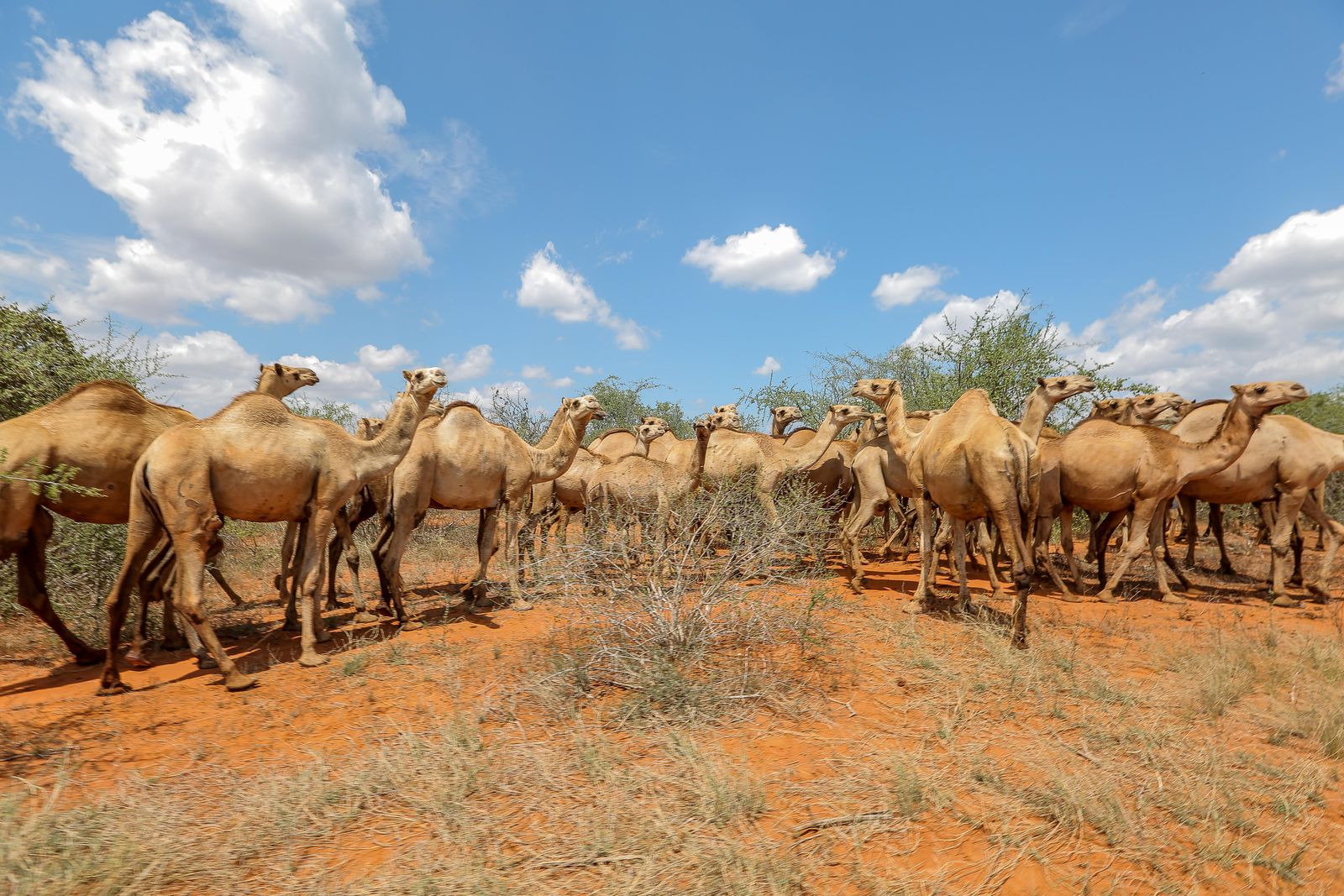
How Much Does a Camel Cost in Kenya?
Camel prices in Kenya can range from about KSh 12,000 for young calves to over KSh 100,000 for mature animals, depending on age, breed, training, region, and intended use.

A to Z of Customer Avatars: Buyer Persona Creation
A practical guide to creating customer avatars and buyer personas with research, segmentation, interview data, analytics, and conversion-focused messaging.