
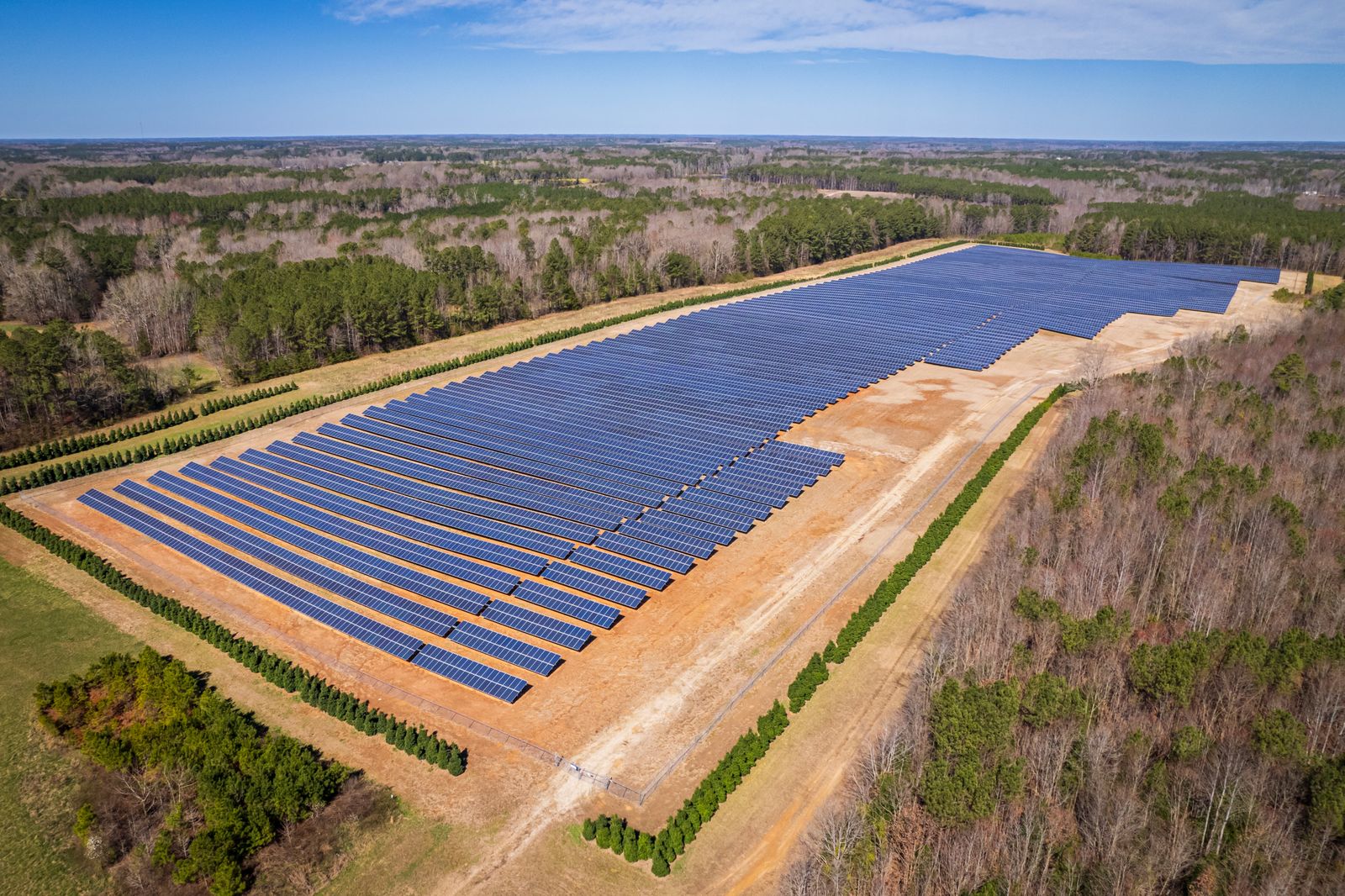
Fintech Agri-Cooling Tech Seed Syndicate & Supply-Chain Optimization in Frontier Markets

Venture Sponsor
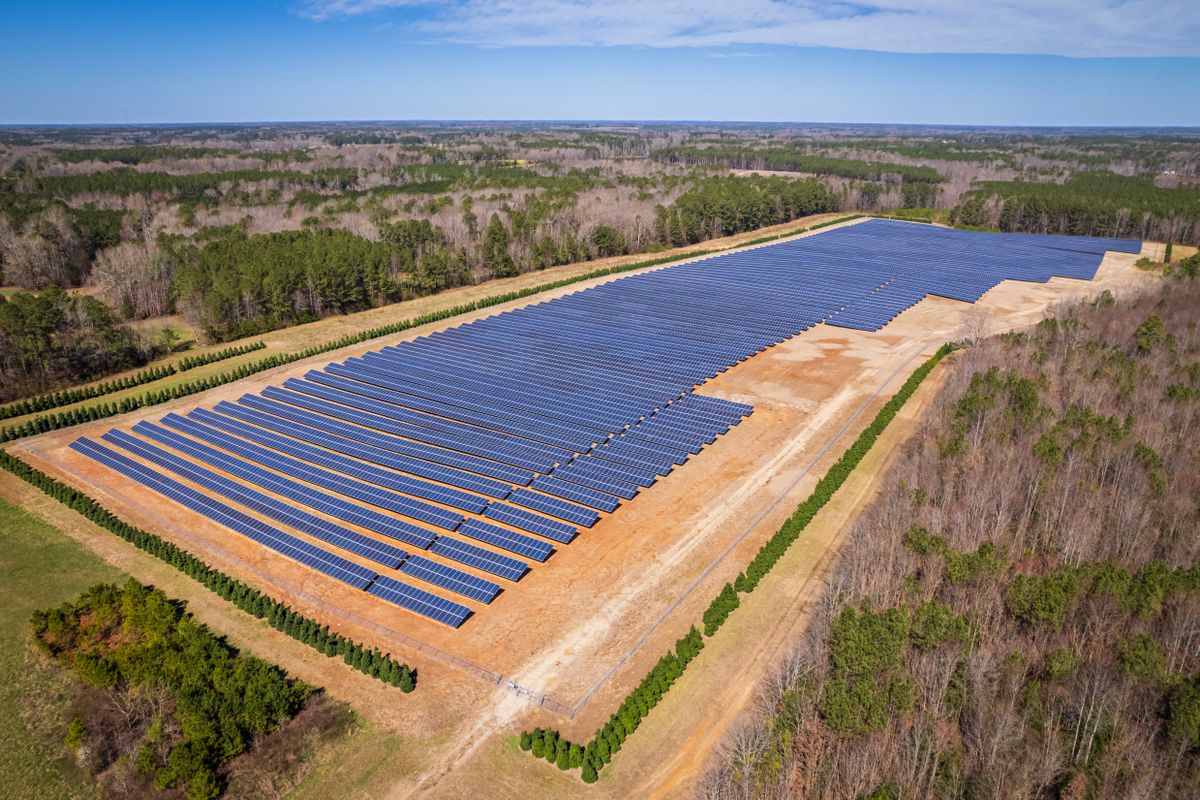
The Problem: Good Produce, Bad Timing
A smallholder farmer harvests perfect avocados on a Tuesday. Without anywhere to keep them cool, the clock starts immediately, within a couple of hot days the fruit softens, grades drop, and the farmer is forced to sell at a distress price to whoever shows up. Across a season, that spoilage and forced-selling can erase a huge share of a farm's potential income.
The technology that fixes this is not exotic. It is refrigeration, the issue has always been that grid power is unreliable or absent where the crops are. This piece looks at how solar-powered cold storage changes the economics, and how to think about backing a venture like it.
How Solar Cooling Changes the Maths
A solar-powered cold room sited near the farm or collection centre lets produce wait for the right buyer and the right price instead of the next available truck.
- Extended shelf life: Avocados and leafy greens held at the correct temperature stay export-grade for days or weeks longer.
- Pricing power: Farmers sell into the export window rather than dumping at the farm gate.
- Aggregation: A shared cold room lets many smallholders pool volume to meet an exporter's order size.
In the case we studied, on-farm spoilage on the connected crops fell from around 40% to a fraction of that, and the value retained showed up directly in higher, more stable farmer payments.
The Scale of the Problem Being Solved
| Metric | Figure | Source |
|---|---|---|
| Kenyan food lost or wasted each year | KSh 72 billion (~US$578m) | WRI Africa, 2025 |
| Post-harvest loss, fruits & vegetables | 30% – 50% (up to 80% in some chains) | Frontiers, 2024 |
| Avocado loss: domestic vs export channel | 35% vs 15% | Frontiers, 2024 |
| Grant funding for solar cold storage (2024–2034) | €23.3 million | UNCDF / Mitigation Action Facility |
Those numbers are why donors and impact investors are leaning in: a 2024 Mitigation Action Facility programme committed €23.3 million to scale solar cold storage for over 60,000 smallholder farmers through 2034. The thesis in this case study sits inside a much larger, well-documented opportunity.
Why It's a Venture, Not a Sure Thing
Early-stage agri-tech is genuinely high-risk, and honest analysis treats it that way. The return profile is equity-style, you are backing a young company, not lending against a contract, which means the upside is real but so is the chance of loss. Targets quoted for such ventures (in the mid-twenties annualised at exit) are aspirational projections, not guarantees, and depend on things like:
- Utilisation: a cold room only pays back if it stays full.
- Offtake reliability: the exporters at the other end must keep buying.
- Maintenance and theft: solar and refrigeration assets need servicing and security.
- Adoption: farmers must trust and use the facility consistently.
What to Check Before Backing Any Agri-Venture
- Unit economics of one cold room, does a single site pay back on realistic utilisation?
- The exit path, how, and to whom, do you eventually realise a return?
- The legal and regulatory wrapper, is the raise structured under appropriate, CMA-compliant templates?
- Founder track record and how your money is ring-fenced and reported.
The Bigger Picture
Cold storage is a small piece of hardware with an outsized effect: it shifts power back toward the farmer by removing the tyranny of the clock. That is what makes the sector interesting, but interesting is not the same as safe. The right posture is curiosity backed by hard due diligence.
Bengula View
Treat early-stage agri-tech as the growth sleeve of a portfolio, never its core, and size it so a total loss is survivable. The desk's rule of thumb: the boring sovereign layer (see Kenyan Treasury Bonds Demystified) gets funded first, and only money that can sit illiquid for years goes into ventures. If you are investing alongside people you know, paper the deal properly from the start; How to Structure Friends and Family Investments shows the structures that keep goodwill and capital separate.
Related Reading
- Zindua Agri-Logistics Seed Alliance. Closing the other half of the loss, in transit.
- Agri-Export Supply-Chain Logistics Pool. Financing the shipment once the crop is preserved.
- SME Trade Finance in Frontier Markets. The working-capital tools behind export growth.
References
- Frontiers in Horticulture (2024), food loss in Kiambu County value chains
- UNCDF, solar-powered cold storage in Kenya
- "Kenya ramps up cold chain investment as post-harvest losses reach US$578 million", FreshPlaza
This is an educational case study, not an offer of securities or a solicitation to invest. Figures are illustrative projections, not guarantees. Early-stage investments can lose value; any regulated raise is conducted only through appropriately licensed channels.