How Much Does a Camel Cost in Kenya?

Relationship Manager & Founder of Bengula Inc.
If you are asking how much a camel costs in Kenya, the useful answer is not one number. A young calf may cost about KSh 12,000 to KSh 60,000, while mature camels commonly fall around KSh 65,000 to KSh 110,000 depending on age, sex, breed, condition, location, and training.
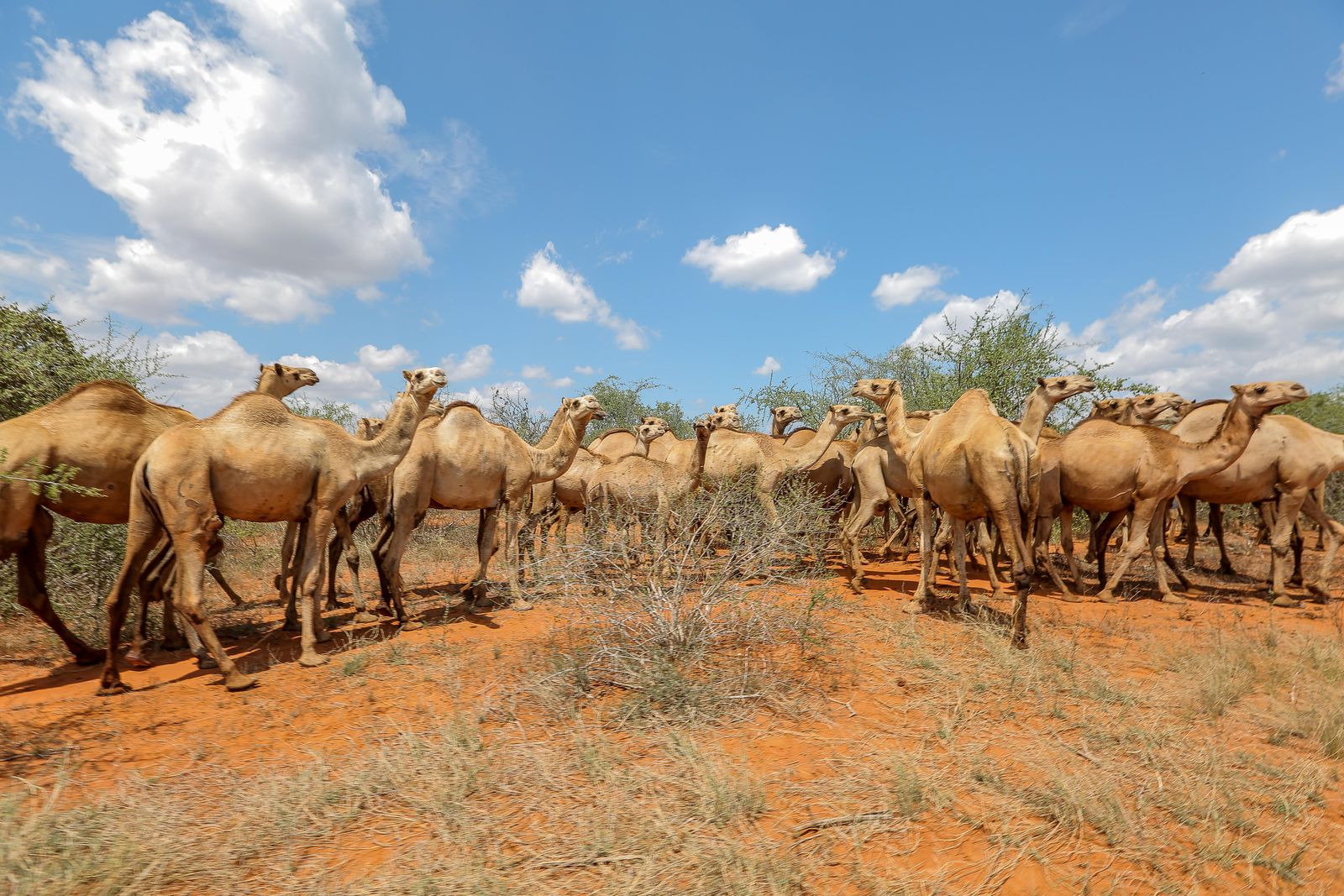
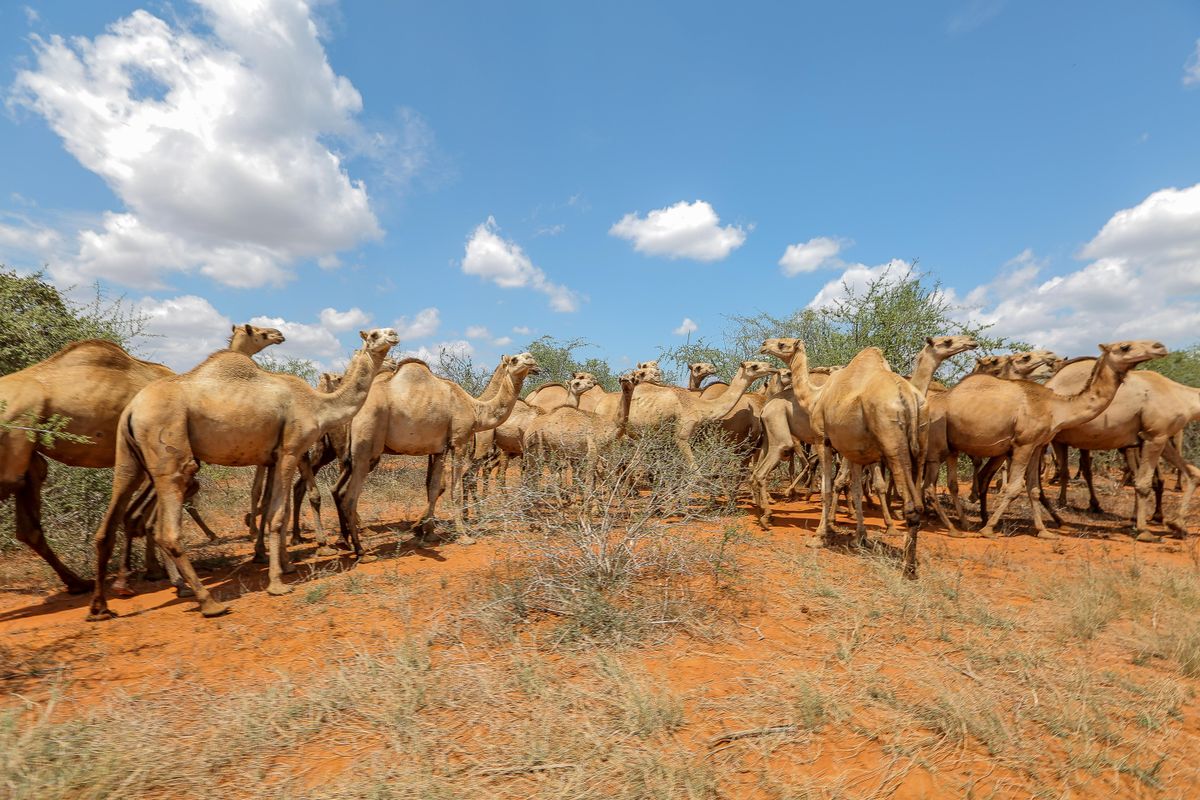
Camels are important livestock in Kenya's arid and semi-arid lands, especially among pastoralist communities in northern and northeastern Kenya. They are used for transport, milk, meat, breeding, cultural functions, and increasingly, commercial livestock investment.
Photo credit: Twilight Kenya on Pexels.
Quick Camel Price Guide in Kenya
| Camel type or product | Estimated price range in Kenya | Notes |
|---|---|---|
| Newborn to young calf | KSh 12,000 to KSh 40,000 | Lower entry cost, but needs time before productive use |
| Weaning or older calf | KSh 40,000 to KSh 60,000 | More expensive because survival and growth risk is lower |
| Mature female camel | KSh 70,000 to KSh 110,000 | Valued for milk, breeding, and herd growth |
| Mature male camel | KSh 65,000 to KSh 100,000 | Price depends heavily on size, strength, and training |
| Camel meat | KSh 250 to KSh 450 per kg | Price varies by town, butcher, season, and supply |
| Camel milk at producer level | From about KSh 100 per litre | Can rise after transport, chilling, pasteurisation, and packaging |
| Packaged camel milk | Around KSh 300 per litre | Retail prices vary by outlet and value addition |
These ranges should be treated as a buying guide, not a fixed market quote. Camel prices move with drought, disease pressure, transport cost, local supply, festive demand, and the bargaining power of the buyer and seller.
Why Camel Prices Vary So Much
The camel population in Kenya increased sharply from about 0.8 million in 1999 to around 3 million in 2009, according to research on camel rearing among the Borana community in Isiolo County. Even with that growth, local prices can still vary widely because livestock markets are regional and highly seasonal.
1. Region and Local Supply
Camels tend to be cheaper in regions where they are more common and more expensive in areas where buyers must pay extra transport and sourcing costs. Markets in camel-rearing regions may offer better variety, but buyers should still budget for movement permits, transport, and veterinary checks.
2. Breed and Adaptability
Different communities and regions keep different camel types. The hardy Turkana camel may be priced differently from Somali or Rendile camels. The best choice depends on your location, water access, forage conditions, and whether the camel is intended for milk, meat, breeding, transport, or tourism.
3. Age and Sex
Calves are cheaper because they are not immediately productive and require time, care, and survival risk. Mature female camels can command higher prices because they support milk production and herd growth. Mature male camels may be valued for strength, transport, breeding, and meat.
4. Training and Intended Use
A camel trained for riding, packing, tourism, or sporting activities can cost more than an untrained animal. Buyers should ask what the animal has already been used for, how it responds to handling, and whether the seller can demonstrate its training.
5. Season, Drought, Disease, and Security
Drought can force distressed selling in some areas, lowering prices temporarily, while also increasing the cost of feed and water for buyers. Disease outbreaks, insecurity, and transport restrictions can also affect availability and pricing.
Cost of Young Camel Calves in Kenya
For buyers who want to start camel farming in Kenya at a lower entry cost, calves are the most affordable option. A calf can range from KSh 12,000 to KSh 60,000, with many entry-level purchases clustering around the lower to middle part of that range.
The trade-off is time. Calves may suckle for up to one and a half years and can take several years to mature. That means a calf is not the best option for someone who wants immediate milk, transport, or breeding value. It is better for a patient buyer who wants to build a herd gradually.
Price of a Mature Camel in Kenya
If you need a camel for transport, breeding, milk, meat, tourism, or immediate commercial use, a mature animal is more practical.
An adult female camel may cost about KSh 70,000 to KSh 110,000. A mature male camel may cost about KSh 65,000 to KSh 100,000, depending on body condition, size, training, health, and market location.
Before buying a mature camel, inspect:
- Body condition and walking strength
- Teeth and estimated age
- Udder health for milk animals
- Temperament and handling history
- Pregnancy or breeding history
- Signs of wounds, parasites, lameness, or respiratory illness
- Vaccination and treatment history, where available
How Much Is Camel Meat Per Kg in Kenya?
Camel meat can be attractive as a protein source because research reviews describe it as relatively low in fat and cholesterol while being rich in iron and protein. A review in the Journal of Ethnic Foods discusses camel meat's nutritional composition and health benefits.
In Kenya, camel meat may retail at about KSh 250 to KSh 450 per kg, depending on town, butcher, season, and supply. Prices can be lower near producing areas and higher where the meat must be transported into urban markets.
Price of Camel Milk in Kenya
Camel milk has long been consumed in camel-rearing regions, and it also has growing urban demand. At the producer level, camel milk can sell from about KSh 100 per litre. Once it is transported, chilled, pasteurised, packaged, and sold through formal retail, the price can rise to around KSh 300 per litre.
Aungshuman Das Gupta's camel milk economics article suggests that a camel can produce about 4 to 7 liters of milk per day. Actual yield depends on breed, feed, water, health, lactation stage, and management.
Studies of camel and camel milk markets in Kenya show why camel milk matters to both pastoral livelihoods and peri-urban milk supply chains.
Maintenance Cost of Camels in Kenya
Camels are easier to maintain than cattle in dry conditions because they browse shrubs, tolerate heat, and survive where other livestock struggle. That does not mean they are free to keep.
A serious buyer should budget for:
- Vaccination and veterinary care
- Deworming, parasite control, and acaricides
- Water access, especially in dry seasons
- Mineral salts and supplementary feed when forage is poor
- Herders or handlers
- Transport and market movement costs
- Losses from disease, theft, conflict, drought, or injury
Annual operating costs may vary widely, but a working estimate of KSh 20,000 to KSh 50,000 per camel is a useful planning range for buyers who need to account for veterinary care, labour, water, salts, and basic animal health support.
Is Camel Farming Profitable in Kenya?
Camel farming can be profitable when the buyer has the right location, management capacity, market access, and patience. It is strongest where the animal has a clear commercial role:
- Milk supply to local or urban markets
- Herd growth and breeding
- Meat production
- Transport and pack use
- Tourism, riding, or cultural experiences
- Livestock diversification in dryland areas
The economics become weaker when the buyer underestimates water access, disease control, transport, or market distance. A camel may be hardy, but profitability still depends on disciplined herd management and reliable buyers.
Buyer Checklist Before Paying for a Camel
- Confirm the seller's ownership and right to sell.
- Ask why the camel is being sold.
- Inspect the animal with an experienced herder or veterinary officer.
- Check whether the camel is trained, lactating, pregnant, or previously used for transport.
- Confirm transport cost before agreeing on the final price.
- Budget for immediate veterinary care after purchase.
- Avoid buying only because the price is low during drought distress.
- Compare prices in at least two markets if possible.
Frequently Asked Questions
What Is the Cheapest Price of a Camel in Kenya?
The cheapest camels are usually very young calves. A calf may start at around KSh 12,000, but the buyer must wait years before it becomes fully productive.
How Much Is an Adult Camel in Kenya?
A mature camel may cost about KSh 65,000 to KSh 110,000, depending on sex, size, health, training, and region.
Is a Male or Female Camel More Expensive?
Female camels can be more valuable where milk and breeding are the priority. Male camels can also be costly if they are large, trained, strong, or suitable for breeding or transport.
How Much Is Camel Milk in Kenya?
Camel milk can start from about KSh 100 per litre at producer level and rise to around KSh 300 per litre after processing, packaging, transport, and retail margins.
Where Can I Buy Camels in Kenya?
Camels are commonly sourced in camel-rearing regions and livestock markets in northern and northeastern Kenya. Buyers should work with trusted local contacts, experienced herders, or veterinary officers before paying.
Final Thoughts
Buying a camel in Kenya is not just a livestock purchase. It is a decision about location, water, management, market access, and purpose. A calf is cheaper but slower to produce value. A mature camel is more expensive but can immediately support milk, meat, transport, tourism, or breeding goals.
If you want details on trading in camels in Kenya, feel free to talk to Bengula Inc.
Related Reading
- Agri-Export Supply-Chain Logistics Pool for another livestock and logistics value chain.
- Zindua Agri-Logistics for how cold chain and transport affect farm economics.
- SME Trade Finance in Frontier Markets for the financing structures behind commodity movement.
References
- Original LinkedIn Pulse article by Bengula Inc
- Camel rearing among the Borana community in Isiolo County
- Camel meat nutritional composition and health benefits
- Camel Milk Economics by Aungshuman Das Gupta
- Camel and camel milk marketing practices in Isiolo County
- Photo by Twilight Kenya on Pexels
Original source: https://www.linkedin.com/pulse/cost-buying-camel-kenya-bengula-inc/