How to Invest in Gold in Kenya: The ETF, the Bar, and the Con

Relationship Manager & Founder of Bengula Inc.
Gold occupies a strange seat at the investment table. It pays no coupon, no dividend, no rent; it just sits there, which is precisely its value. When currencies weaken, when markets fall together, when confidence in paper promises wobbles, gold is the asset whose worth depends on no institution keeping its word. That is why central banks, including across Africa, keep buying it, and why a small allocation earns a place in ordinary portfolios as ballast rather than engine.
For a Kenyan investor, the practical questions are narrower than the philosophy: what are the honest ways to own gold from Nairobi, what does each cost, how does the shilling change the maths, and how do you avoid the country's single most infamous investment fraud?
Key Insight: Gold is portfolio insurance, and insurance is judged on cost and reliability, not excitement. The cheapest, most reliable gold in Kenya trades on the NSE under a CDS account you may already have. Almost everything more exotic than that, and absolutely everything involving a phone call about bullion from a neighbouring country, is where the trouble lives.
Route 1: The NewGold ETF (the Answer for Almost Everyone)
Kenya's simplest gold position is the Absa NewGold ETF, listed on the NSE since 2017 and still the exchange's only ETF. Each unit is backed by physical bullion held by the fund, so the unit price tracks the global gold price translated into shillings.
Why it wins on every practical test:
- Access: bought and sold through the same CDS account and broker as any share (walkthrough in How to Buy Shares on the NSE); one unit at a time if you wish.
- Cost: brokerage commission on the trade and a small management fee inside the fund; no safe, no insurance premium, no authentication anxiety.
- Integrity: the gold's existence is the fund's regulated obligation, not a seller's story.
- Tax: as an NSE-listed security, capital gains are exempt for individual investors, the same quiet break equities enjoy.
- Exit: sold in a normal trading session at a quoted price, which no bar in a drawer can promise.
The honest costs: you hold gold's price exposure, not gold you can touch, and liquidity on the counter is modest, so limit orders are wise. For a portfolio allocation, neither matters much.
Route 2: Physical Gold (the Romantic Option, Priced Honestly)
Coins and small bars from legitimate dealers are real investments with real frictions:
- The spread: dealers sell above the spot price and buy back below it; the round trip commonly costs several percent before the price moves at all.
- Storage and insurance: a home safe is a burglary thesis; a bank locker and insurance are annual costs that a non-yielding asset must outrun.
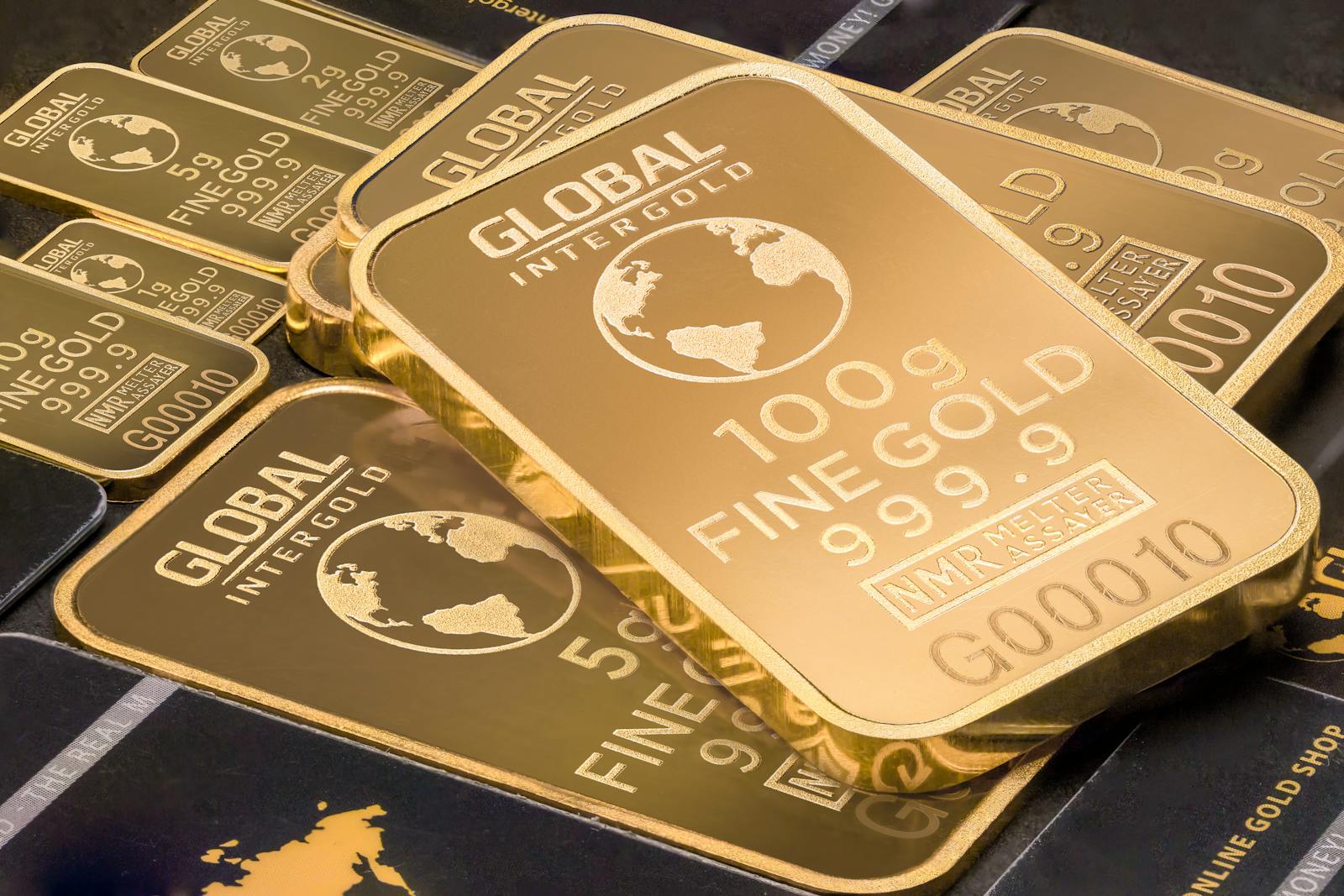
- Authentication: purity (999.9 "four nines" for investment bars), weight, and provenance need verification when you buy and again when you sell; the assay costs money and the doubt costs price.
- Jewellery is not investment. Making charges, design premiums, and buyback haircuts mean ornament gold typically returns a fraction of its price; buy it for love, never for yield.
Physical makes sense for investors who specifically want the no-counterparty property of metal in hand and accept the costs as the premium for it. If that sentence does not describe a considered choice you have made, Route 1 was the answer.
Route 3: Offshore Gold Funds
Investors already using the global platforms covered in Foreign ETFs and Offshore Investing from Kenya can hold the large international bullion funds (GLD, SGOL and peers) inside the same account. Sensible if the offshore account already exists; an unnecessary extra layer, with FX conversion and platform fees, if the NSE route is available and the goal is simply gold exposure in a Kenyan portfolio.
The Shilling Layer: The Second Bet Inside Your Gold
Global gold is priced in dollars; your NewGold unit is priced in shillings. Your return is therefore always two bets settled together:
When gold rises and the shilling weakens, a Kenyan holder wins twice, which is exactly the disaster scenario gold-as-insurance exists for. When the shilling strengthens, as in its 2024-2025 recovery, dollar gains shrink or vanish in translation (USD/KES stood at 129.30 on 2 July 2026). Understand that you are holding this pair deliberately: for a Kenyan whose liabilities and life are in shillings, gold's currency layer is a feature, hedging the scenario that hurts everything else you own.
How Much Gold? The Allocation Discipline
Gold's portfolio job defines its size:
- 5-10% of the portfolio captures the ballast effect; academic and practitioner work lands consistently in this band.
- Rebalance annually: when gold spikes in a crisis, sell the excess back to target (buying the assets that fell); when it drifts down in calm years, top it up cheaply. The rebalancing discipline in The Ultimate Guide to Investing in Kenya applies verbatim.
- Above ~10% the position stops being insurance and becomes a macro speculation on fear and the dollar; run it only if that is a bet you consciously want.
- Zero is also defensible for a young accumulator whose horizon dwarfs any crisis; gold's case strengthens as portfolios grow and horizons shorten.
What gold will not do: compound. Over long stretches it holds value; equities and bonds create it. The compounding table in the cornerstone guide is the argument for why the growth engine must stay elsewhere.
The Con: Kenya's Fake-Gold Industry
No honest gold guide for Kenya can skip this. Nairobi hosts one of the world's most notorious fake-gold scam ecosystems, polished operations that have relieved local and foreign "investors" of fortunes with the same script for decades:
- The story: discounted bullion, usually said to be from a neighbouring country, needing a partner for export, taxes, or "handling fees".
- The theatre: warehouse visits, gleaming boxes (brass, or gold-plated lead), fake assay certificates, fake government paperwork, sometimes fake officials and fake bank meetings.
- The extraction: an escalating sequence of fees, storage, clearance, insurance, a "blocked shipment", each payable urgently, each unrecoverable.
- The tell, always the same: a price below the world market. Gold is the most liquid commodity on earth; nobody with real bullion needs a stranger's help to sell it, and nobody sells it at a discount. A below-spot offer is not an opportunity; it is the entire diagnosis.
The defence is structural, not cleverness: buy gold only through regulated, exchange-listed, or established-dealer channels, and treat any private gold "deal", however impressive its paperwork and its introductions, as the scam its price already told you it was. The scam filter applies with extra force here.
Risk Factors
- No income: every year gold sits is a year of foregone coupons; the allocation cap is the control.
- Volatility: gold has multi-year flat and falling stretches; it is crisis insurance, not a savings account.
- Currency cuts both ways: a strengthening shilling erodes KES gold returns.
- Physical frictions: spreads, storage, and authentication can quietly consume years of appreciation.
- Counterfeit and fraud risk: concentrated entirely in unofficial channels; the ETF exists so you never meet it.
Decision Framework: Before You Buy Gold
- Foundations funded and the growth engine running? Gold is the trim, not the hull.
- Buying for ballast (5-10%, rebalanced) or speculating on fear? Name it honestly.
- Chosen the channel: ETF for almost everyone; physical only with dealer, storage, and resale answers written down?
- Price at or above world spot? Below spot means walk away, every time, no exceptions.
- Will you rebalance when it spikes, which is the whole point?
Bengula View
The desk holds an unromantic view of a romantic asset. Gold earns its 5-10% as the portfolio's apology fund, the thing that pays out precisely when the shilling, the market, and confidence take the same bad month, and the NewGold ETF delivers that exposure with Kenyan-market convenience and listed-security tax treatment. Physical gold is a considered lifestyle choice, not a better investment. And the desk's flat rule, learned from two decades of Nairobi's most theatrical fraud: any gold offered below the world price is priced accurately, at zero.
Sources and Further Reading
- Nairobi Securities Exchange, ETF segment: the NewGold listing and ETF mechanics.
- A Guide to ETFs in Kenya, Kenyan Wallstreet: the NewGold ETF's history as the NSE's first and only ETF.
- Central Bank of Kenya: USD/KES reference rates.
- Bengula Inc: The Ultimate Guide to Investing in Kenya, How to Buy Shares on the NSE, Foreign ETFs and Offshore Investing from Kenya, Bank Account vs SACCO vs MMF vs Insurance
General financial education, not investment advice. Gold prices and exchange rates move continuously; figures are as dated in the text. Buy only through regulated channels and treat below-market offers as fraud.